The Advantages of Choosing Lab Grown Diamond Interaction Rings for Your Proposition
Lab-grown Diamond interaction rings present an engaging alternative for pairs considering their proposition options. These rubies are morally sourced and produced in regulated atmospheres, attending to both ecological and moral concerns. Additionally, they use significant price savings, enabling larger rocks or special styles. With innovations in technology, the allure of lab-grown rubies remains to grow. Recognizing these advantages can influence a couple's decision-making process in profound methods. What aspects should be focused on when making this choice?
Ethical Sourcing and Ecological Influence
As customers significantly prioritize sustainability, the increase of lab-grown Diamond engagement rings supplies an engaging alternative to commonly mined diamonds. These lab-created treasures are generated in regulated atmospheres, considerably minimizing the honest dilemmas related to Diamond mining. Typical mining frequently involves unscrupulous labor techniques and adds to ecological degradation, including logging and habitat devastation.
Cost-Effectiveness: Even More Worth for Your Budget plan
Lab-grown Diamond interaction rings not just straighten with honest worths but likewise use substantial expense benefits. Commonly, these rubies can be valued 20% to 40% reduced than their mined counterparts, enabling pairs to maximize their spending plans without sacrificing quality. This cost-effectiveness enables purchasers to spend in bigger rocks or higher-quality settings, enhancing the general aesthetic of the ring.
In addition, the transparency in prices related to lab-grown diamonds eliminates the covert costs usually connected with mined rubies, such as accreditation and transportation fees. Couples can likewise take advantage of lower insurance costs because of the reduced value of lab-grown rubies.
Consequently, selecting a lab-grown Diamond engagement ring becomes an economically savvy decision, giving pairs with even more worth for their money. This price not just allows for a better option however additionally encourages couples to select a ring that genuinely mirrors their love and dedication.
Similar Physical and Chemical Qualities
The appeal of lab-grown Diamond interaction rings lies not only in their ethical production yet also in their impressive physical and chemical buildings. These rubies are produced in regulated lab environments that mimic the natural problems under which rubies form in the Earth. Because of this, lab-grown diamonds possess the very same crystal structure and solidity as their extracted equivalents, score a best 10 on the Mohs range.
Both types of rubies contain carbon atoms set up in a crystal latticework, making certain similar optical and physical attributes. Lab-grown rubies exhibit the same luster, fire, and scintillation as all-natural rubies, making them indistinguishable to the nude eye. Advanced gemological screening is called for to separate in between the two, emphasizing their authenticity. This parity in homes allows consumers to delight in the charm and toughness of rubies while making an eco mindful selection.
Larger Selection of Choices
Laboratory grown up Diamond engagement rings offer a wider range of style choices that satisfy diverse preferences and choices. Their capability to be customized allows couples to create unique items that show their specific style. This boosted flexibility not only improves the ring's emotional worth however likewise makes it a much more personal selection.
Special Design Alternatives
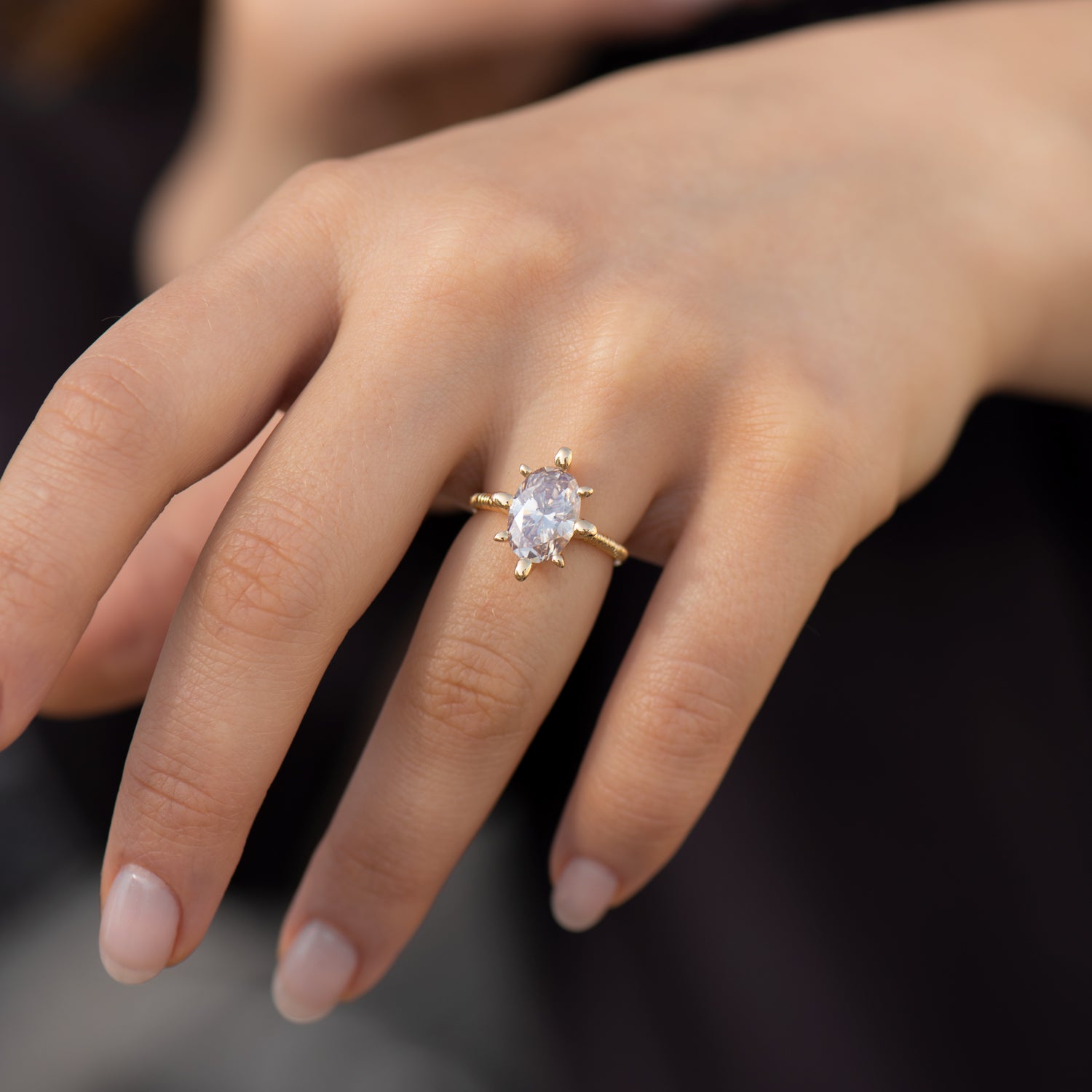
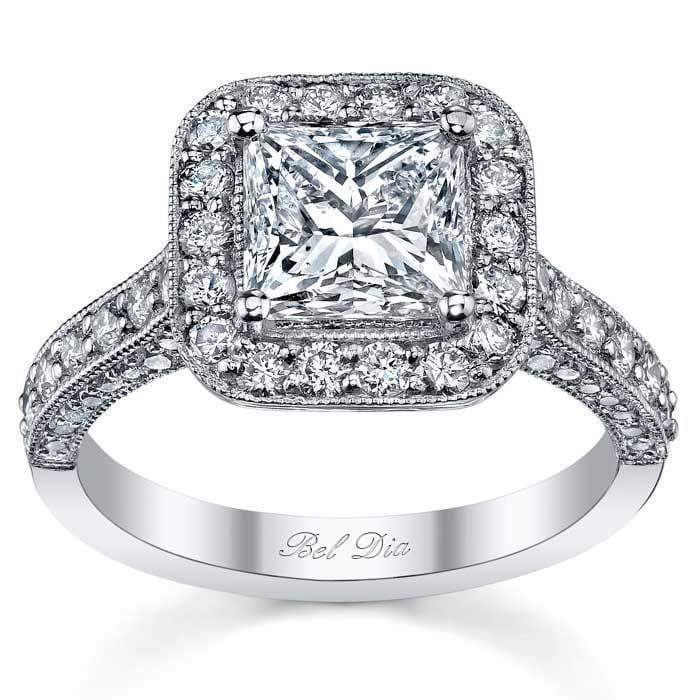
While traditional diamonds commonly come with limited layout options, the rise of lab-grown Diamond interaction rings has opened a more comprehensive spectrum of special styles and setups. This advancement allows couples to check out even more creative designs, ranging from vintage-inspired to contemporary geometric forms. Lab-grown rubies can be crafted in numerous cuts, consisting of oval, pear, and heart forms, giving flexibility that interest varied preferences. Additionally, the capacity to match these diamonds with unconventional band products, such as rose gold or ethically sourced metals, boosts the total visual. With distinct setups like halo or bezel, these rings can be personalized to show private tales and preferences, making each engagement ring not simply a sign of love, but likewise a standout piece of art.
Modification Opportunities
An expanding interest in lab-grown Diamond involvement rings has actually caused a boost in customization opportunities, permitting pairs to develop truly tailored pieces. Unlike typical diamonds, lab-grown choices can be customized to fit specific preferences and choices. Pairs can select from a broader selection of shapes, dimensions, and colors, allowing them to choose a ruby that reverberates with their distinct style. In addition, customization extends beyond the Diamond itself; setups can be developed to enhance the picked stone, whether one chooses traditional, contemporary, or elaborate designs. This versatility not just boosts the emotional value of the ring yet likewise permits an extra affordable approach, as couples can prioritize attributes that matter most to them without endangering on quality.
Transparency in the Diamond Sector
Exactly how can consumers browse the intricacies of the Diamond sector when transparency stays an important concern? The typical Diamond market often does not have clear info relating to the origin and ethical sourcing of diamonds. This obscurity can result in consumer mistrust and ethical predicaments surrounding dispute rubies and ecological influence. Conversely, laboratory grown diamonds provide a service to this openness problem. These diamonds are produced in regulated settings, permitting consumers to accessibility in-depth info about their provenance.
In reference addition, respectable vendors of laboratory expanded diamonds generally supply certificates that detail the details of the Diamond's production, including its dimension, quality, and the modern technology made use of. This degree of openness encourages customers to make enlightened selections, straightening their purchases with personal worths. As awareness of dishonest practices in the Diamond market expands, the clear, ethical nature of laboratory expanded diamonds positions them as a compelling option for diligent customers seeking interaction rings.
Sustaining Advancement and Technology
As the need for fairly sourced gemstones boosts, supporting development and innovation in the you could try these out lab-grown Diamond field comes to be necessary (lab grown diamond engagement rings). Lab-grown rubies, developed through sophisticated approaches such as High Stress Heat (HPHT) and Chemical Vapor Deposition (CVD), represent a significant shift in the Diamond industry. Purchasing these innovations not just boosts the quality and availability of rubies but additionally minimizes ecological impact compared to conventional mining methods
Innovations in production strategies have actually led to much more effective processes, resulting in reduced prices for consumers. This technological progress cultivates competition, compelling typical Diamond manufacturers to reassess their methods and take on even more sustainable techniques. By sustaining lab-grown rubies, customers add to a market that focuses on moral sourcing and technology, ultimately promoting a more liable and eco conscious precious jewelry industry. Embracing this new period not only benefits consumers however likewise encourages ongoing developments in gems production modern technologies.
Customization and Personalization Options
Laboratory grown Diamond interaction rings supply a variety of personalization and modification options that cater to individual choices. Customers can choose distinct layout choices and tailored rock features, guaranteeing that each ring reflects personal design and relevance. This ability to customize boosts the psychological value of the ring, making it a purposeful symbol of commitment.
One-of-a-kind Style Selections
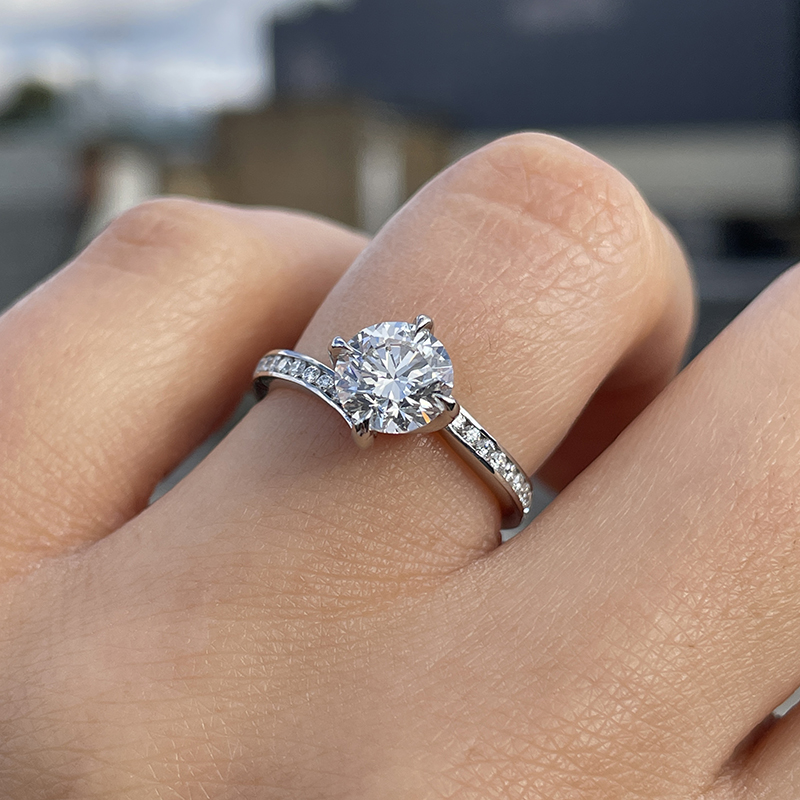
What makes a ruby engagement ring truly unique? Its one-of-a-kind layout choices permit for deep customization, showing the pair's unique love tale. Laboratory grown up diamonds supply a range of options, from numerous cuts and settings to personalized inscriptions. Pairs can pick from timeless solitaires to detailed halo styles, guaranteeing their ring lines up with personal preferences. Additionally, the versatility of lab expanded diamonds allows the consolidation of colored gemstones, such as emerald greens or sapphires, boosting originality. Modification encompasses the metal choice, whether it's white gold, yellow gold, or climbed gold. This flexibility in layout not only creates article source an unique piece yet additionally embodies the couple's dedication, making the engagement ring a remarkable sign of their unique trip together.
Tailored Stone Characteristics
When taking into consideration the attributes of a diamond engagement ring, couples discover that customized rock choices considerably enhance the personalization process. Lab-grown rubies offer a series of customizable functions, enabling pairs to pick the dimension, shape, and color that ideal reflects their special design and choices. This adaptability enables individuals to develop a ring that signifies their love tale. Additionally, couples can choose certain quality degrees and cut designs, making certain that the Diamond not only satisfies their aesthetic desires yet also fits their spending plan. With lab-grown diamonds, the opportunity for customization encompasses setting types and steel options, further enhancing the ring's individuality. Eventually, tailored rock attributes encourage pairs to create a meaningful involvement ring that really represents their relationship.
Regularly Asked Concerns
Exactly How Do Lab Grown Diamonds Contrast to All-natural Rubies in Terms of Longevity?
Laboratory grown rubies and all-natural diamonds exhibit similar resilience, as both are composed of carbon and share comparable hardness degrees. This makes them similarly resistant to scratching and damages, making certain longevity in any kind of jewelry setup.
Can Lab Grown Diamonds Be Marketed or Assessed Like All-natural Diamonds?
Lab expanded diamonds can undoubtedly be marketed and appraised in a similar way to all-natural diamonds. However, their resale worth might differ due to market perceptions and the expanding schedule of lab-created alternatives in the fashion jewelry sector.
What Is the Difference in Shimmer Between Laboratory Grown and Natural Diamonds?
Do Laboratory Grown Diamonds Feature Accreditations Like Natural Diamonds?
Laboratory expanded diamonds do come with accreditations, comparable to all-natural rubies. These certifications validate their top quality, including factors like cut, quality, carat weight, and shade weight, making sure customers get a trusted assessment of their purchase.
Exactly How Are Lab Grown Diamonds Made to begin with?
Laboratory expanded rubies are created with 2 key approaches: High Stress High Temperature (HPHT) resembles natural processes, while Chemical Vapor Deposition (CVD) uses gases to deposit carbon, enabling for controlled Diamond formation in a research laboratory setting. lab grown diamond engagement rings.
As customers increasingly prioritize sustainability, the surge of lab-grown Diamond interaction rings supplies a compelling choice to typically extracted rubies. Furthermore, the transparency in pricing linked with lab-grown rubies eliminates the hidden prices usually associated with extracted diamonds, such as certification and transportation costs. Lab-grown rubies exhibit the very same luster, fire, and scintillation as natural diamonds, making them indistinguishable to the nude eye. While traditional rubies often come with minimal layout options, the surge of lab-grown Diamond interaction rings has opened up a wider spectrum of distinct designs and settings. Lab-grown diamonds, produced via innovative approaches such as High Stress High Temperature (HPHT) and Chemical Vapor Deposition (CVD), stand for a significant shift in the Diamond industry.